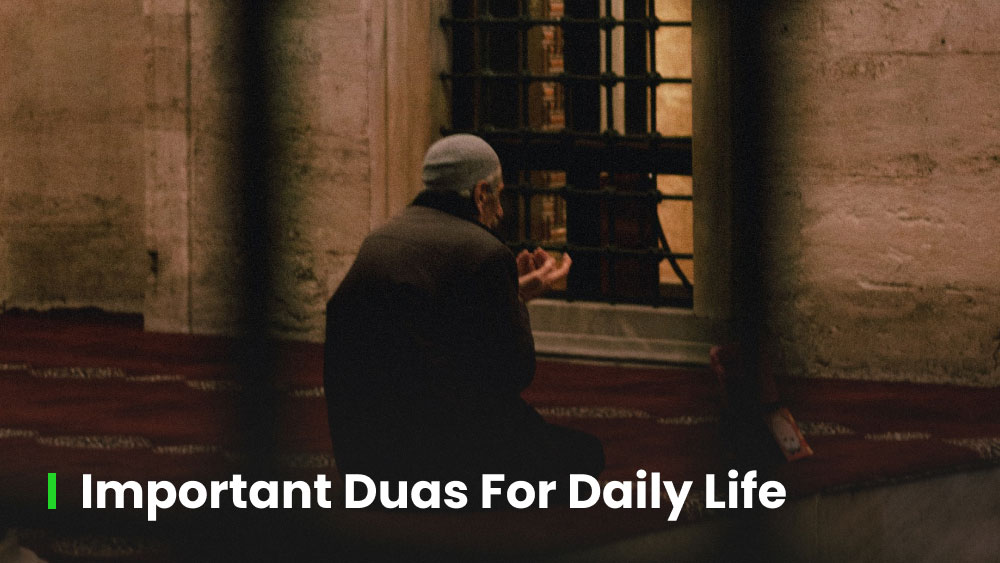
Dua (دعاء) is a beautiful form of worship that connects us to Allah. It is a powerful way to seek protection, peace, and mercy in our lives. Our beloved Prophet ﷺ taught us many important duas for daily life so we remain in the remembrance of Allah from morning until night.
These everyday duas include:
- Waking up and sleeping
- Morning and evening duas
- During and after each Salah
- Entering and leaving the masjid
- Going into the market
- Leaving home and travelling
- Duas before sleeping
Reciting these daily adhkars is a Sunnah that brings Allah’s protection and blessings into your worldly life and hereafter. Let’s learn these essential everyday duas and incorporate them into your daily routine.
The morning and evening duas are one of the most important ones among daily supplications. We have prepared a dua eBook with word-by-word meanings, so you can recite them easily anytime, anywhere.
You can order the printed morning and evening dua book in UK from this link.
Download the free dua eBook 👇

Subscribe to get early access to all future ebooks and other resources
Importance of Morning and Evening Adhkar
Allah is our Rabb (Lord). He has commanded us to remember and glorify Him especially in the morning and in the evening. Allah says:
يَـٰٓأَيُّهَا ٱلَّذِينَ ءَامَنُوا۟ ٱذْكُرُوا۟ ٱللَّهَ ذِكْرًۭا كَثِيرًۭا ٤١ وَسَبِّحُوهُ بُكْرَةًۭ وَأَصِيلًا
Meaning: “O believers! Always remember Allah often, and glorify Him in the morning and in the evening.” [Surah Al-Ahzab: 41-42]
The significance of remembering Allah and making adhkars is great. Some of the key points are:
- Morning and Evening Adhkars and Duas gain us protection from evil eye, anxiety, grief, magic, and any form of harm. Rasulullah ﷺ said:
“Whoever does Dua to Allah, Allah fulfils his seeking or in exchange averts misfortune; as long as the Dua is not related to sin or breaking some relation.” [Sunan-at-Tirmidhi]
- The ones who remember Allah and the ones who don’t are like the ones who are living and the ones who are dead. [Sahih-al-Bukhari: 6407, Sahih Muslim: 779]
- The punishment for not invoking Allah is Hellfire.
Allah says in the Quran,
وَقَالَ رَبُّكُمُ ٱدْعُونِىٓ أَسْتَجِبْ لَكُمْ ۚ إِنَّ ٱلَّذِينَ يَسْتَكْبِرُونَ عَنْ عِبَادَتِى سَيَدْخُلُونَ جَهَنَّمَ دَاخِرِينَ
Meaning: “Your Lord has proclaimed, ‘Call upon Me, I will respond to you. Surely those who are too proud to worship Me will enter Hell, fully humbled.’ ” [Surah Ghafir: 60]
Etiquettes of Daily Adhkhars
There are a few aspects you should be aware of while making Dua and Adhkars. Some of them are:
- Start off by praising Allah and sending Salah and Salam to our beloved Prophet ﷺ (in case of making dua).
- Be consistent with your duas and adhkars. Because Allah loves the deeds which are done regularly [Sunan Ibn Majah 4240].
- Begin by reciting a few duas and adhkars. When you have memorised them wholeheartedly, try to learn some more.
- Even if you are busy, try not to miss the adhkars after each mandatory prayer.
- Set a particular time for your adhkars. It will help you to maintain consistency.
- Also, focus on the meaning of each adhkar. This will ensure attentiveness and sincerity.
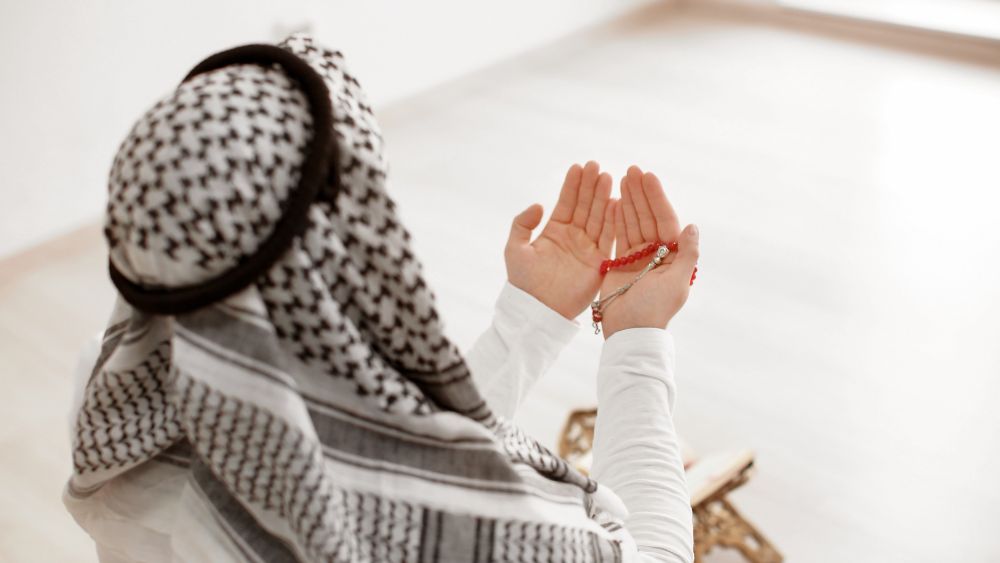
Essential Duas for Daily Life in Arabic and English
There are hundreds and thousands of Duas in the Quran and Sunnah. Out of them, we have listed down the 40+ most important Duas and Azkars that are related to your daily lives.
Check out our Sadiq app for more duas. Try to memorise these dua and zikr and read them daily so that you can gain the blessing of this world and the hereafter.
1. Dua after Waking Up
أَلْحَمْدُ لِلّٰهِ الَّذِيْ أَحْيَانَا بَعْدَ مَا أَمَاتَنَا، وَإِلَيْهِ النُّشُوْرُ
Transliterations: Alhamdu lillahil-ladhi ahyana ba’da ma amatana, wa ilayhin-nushur
Meaning: “All praise is for Allah who gave us life after having taken it from us and unto Him is the resurrection.” [Sahih-Al-Bukhari, Fathul Bari 11/113; Sahih Muslim 4/2083]
2. Dua before and after Wudu
- Before starting wudu say:
بِسْمِ اللّٰهِ
Transliterations: Bismillah
Meaning: “In the name of Allah.” [Abu Dawud 101, Ibn Majah 337, and Ahmad. 9418]
- After finishing wudu
There are many dua to say after finishing wudu. Here we have mentioned two.
أَشْهَدُ أَنْ لَا إِلٰهَ إِلَّا اللّٰهُ وَحْدَهُ لَا شَرِيْكَ لَهُ وَأَشْهَدُ أَنَّ مُحَمَّدًا عَبْدُهُ وَرَسُوْلُهُ
Transliterations: Ash-hadu an la ilaha illallahu wahdahu la sharika lahu, wa ash-hadu anna Muhammadan ‘abduhu wa rasuluh
Meaning: “I bear witness that none has the right to be worshipped but Allah alone, Who has no partner; and I bear witness that Muhammad is His slave and His Messenger.” [Sahih Muslim: 1/209]
اَللّٰهُمَّ اجْعَلْنِيْ مِنَ التَّوَّابِيْنَ وَاجْعَلْنِيْ مِنَ الْمُتَطَهِّرِيْنَ
Transliterations: Allahumma aj’alni minat-tawwabina waj’alni minal-mutatahhirin
Meaning: “O Allah, make me among those who turn to You in repentance, and make me among those who are purified.” [Sunan-at-Tirmidhi: 1/78]
3. Dua before Sleeping
بِاسْمِكَ اَللّٰهُمَّ أَمُوْتُ وَأَحْيَا
Transliterations: Bismika Allahumma amutu wa ahya
Meaning: “In Your name O Allah, I live and die.” [Sahih-Al-Bukhari, Fathul Bari 11/113, Sahih Muslim 4/2083]
Also, before sleeping recite Surah Ikhlas, Surah Falaq, Surah Nas thrice. Also recite Surah Kafirun before sleeping to disavow yourself from shirk and polytheism. [Sahih-ibn-Hibban: 790].
You should recite Surah Mulk every night to gain protection from the torment of the grave. [Musannaf ‘Abdur Razzaq: 6025]
ٱللَّهُ لَآ إِلَـٰهَ إِلَّا هُوَ ٱلْحَىُّ ٱلْقَيُّومُ ۚ لَا تَأْخُذُهُۥ سِنَةٌۭ وَلَا نَوْمٌۭ ۚ لَّهُۥ مَا فِى ٱلسَّمَـٰوَٰتِ وَمَا فِى ٱلْأَرْضِ ۗ مَن ذَا ٱلَّذِى يَشْفَعُ عِندَهُۥٓ إِلَّا بِإِذْنِهِۦ ۚ يَعْلَمُ مَا بَيْنَ أَيْدِيهِمْ وَمَا خَلْفَهُمْ ۖ وَلَا يُحِيطُونَ بِشَىْءٍۢ مِّنْ عِلْمِهِۦٓ إِلَّا بِمَا شَآءَ ۚ وَسِعَ كُرْسِيُّهُ ٱلسَّمَـٰوَٰتِ وَٱلْأَرْضَ ۖ وَلَا يَـُٔودُهُۥ حِفْظُهُمَا ۚ وَهُوَ ٱلْعَلِىُّ ٱلْعَظِيمُ
Transliterations: Allahu la ilaha illa Huwal-Hayyul-Qayyum. La ta’khudhuhu sinatun wa la nawm. Lahu ma fis-samawati wa ma fil-ard. Man dhal-ladhi yashfa’u ‘indahu illa bi-idhnih. Ya’lamu ma bayna aydihim wa ma khalfahum, wa la yuhituna bi-shay’im-min ‘ilmihi illa bima sha’. Wasi’a Kursiyyuhus-samawati wal-ard, wa la ya’uduhu hifdhuhuma. Wa Huwal-‘Aliyyul-‘Adhim
Meaning: “Allah! There is no god ˹worthy of worship˺ except Him, the Ever-Living, All-Sustaining. Neither drowsiness nor sleep overtakes Him. To Him belongs whatever is in the heavens and whatever is on the earth. Who could possibly intercede with Him without His permission? He ˹fully˺ knows what is ahead of them and what is behind them, but no one can grasp any of His knowledge—except what He wills ˹to reveal˺. His Seat encompasses the heavens and the earth, and the preservation of both does not tire Him. For He is the Most High, the Greatest.”
[Surah-al-Baqarah: 255]
- Last two verses of Surah-al-Baqarah:
ءَامَنَ ٱلرَّسُولُ بِمَآ أُنزِلَ إِلَيْهِ مِن رَّبِّهِۦ وَٱلْمُؤْمِنُونَ ۚ كُلٌّ ءَامَنَ بِٱللَّهِ وَمَلَـٰٓئِكَتِهِۦ وَكُتُبِهِۦ وَرُسُلِهِۦ لَا نُفَرِّقُ بَيْنَ أَحَدٍۢ مِّن رُّسُلِهِۦ ۚ وَقَالُوا۟ سَمِعْنَا وَأَطَعْنَا ۖ غُفْرَانَكَ رَبَّنَا وَإِلَيْكَ ٱلْمَصِيرُ
Transliterations: Amanar-Rasulu bima unzila ilayhi mir-Rabbihi wal-mu’minun. Kullun amana billahi wa mala’ikatihi wa kutubihi wa rusulihi la nufarriqu bayna ahadim-mir-rusulihi wa qalu sami’na wa ata’na ghufranaka Rabbana wa ilaykal-masir
Meaning: “The Messenger ˹firmly˺ believes in what has been revealed to him from his Lord, and so do the believers. They ˹all˺ believe in Allah, His angels, His Books, and His messengers. ˹They proclaim,˺ “We make no distinction between any of His messengers.” And they say, “We hear and obey. ˹We seek˺ Your forgiveness, our Lord! And to You ˹alone˺ is the final return.”
لَا يُكَلِّفُ ٱللَّهُ نَفْسًا إِلَّا وُسْعَهَا ۚ لَهَا مَا كَسَبَتْ وَعَلَيْهَا مَا ٱكْتَسَبَتْ ۗ رَبَّنَا لَا تُؤَاخِذْنَآ إِن نَّسِينَآ أَوْ أَخْطَأْنَا ۚ رَبَّنَا وَلَا تَحْمِلْ عَلَيْنَآ إِصْرًۭا كَمَا حَمَلْتَهُۥ عَلَى ٱلَّذِينَ مِن قَبْلِنَا ۚ رَبَّنَا وَلَا تُحَمِّلْنَا مَا لَا طَاقَةَ لَنَا بِهِۦ ۖ وَٱعْفُ عَنَّا وَٱغْفِرْ لَنَا وَٱرْحَمْنَآ ۚ أَنتَ مَوْلَىٰنَا فَٱنصُرْنَا عَلَى ٱلْقَوْمِ ٱلْكَـٰفِرِينَ
Transliterations: La yukallifullahu nafsan illa wus’aha. Laha ma kasabat wa ‘alayha mak-tasabat. Rabbana la tu’akhidhna in nasina aw akhta’na. Rabbana wa la tahmil ‘alayna isran kama hamaltahu ‘alal-ladhina min qablina. Rabbana wa la tuhammilna ma la taqata lana bihi. Wa’fu ‘anna waghfir lana warhamna. Anta Mawlana fansurna ‘alal-qawmil-kafirin
Meaning: Allah does not require of any soul more than what it can afford. All good will be for its own benefit, and all evil will be to its own loss. ˹The believers pray,˺ “Our Lord! Do not punish us if we forget or make a mistake. Our Lord! Do not place a burden on us like the one you placed on those before us. Our Lord! Do not burden us with what we cannot bear. Pardon us, forgive us, and have mercy on us. You are our ˹only˺ Guardian. So grant us victory over the disbelieving people.”
[Surah-al-Baqarah: 285-286]

4. Morning and Evening Dua & Adhkar
There are many Duas you can say in the morning and evening. Here we have mentioned some of them.
- In the morning say:
أَصْبَحْنَا وَأَصْبَحَ الْمُلْكُ لِلّٰهِ، وَالْحَمْدُ لِلّٰهِ، لَا إِلٰهَ إِلَّا اللّٰهُ وَحْدَهُ لاَ شَرِيْكَ لَهُ، لَهُ الْمُلْكُ وَلَهُ الْحَمْدُ وَهُوَ عَلَى كُلِّ شَيْءٍ قَدِيْرٌ، رَبِّ أَسْأَلُكَ خَيْرَ مَا فِيْ هٰذَا الْيَوْمِ وَخَيْرَ مَا بَعْدَهُ، وَأَعُوْذُ بِكَ مِنْ شَرِّ مَا فِيْ هٰذَا الْيَوْمِ وَشَرِّ مَا بَعْدَهُ، رَبِّ أَعُوْذُ بِكَ مِنَ الْكَسَلِ وَسُوْءِ الْكِبَرِ، رَبِّ أَعُوْذُ بِكَ مِنْ عَذَابٍ فِيْ النَّارِ وَعَذَابٍ فِيْ الْقَبْرِ
Transliterations: Asbahna wa asbahal-mulku lillah, walhamdu lillah, la ilaha illallahu wahdahu la sharika lah, lahul-mulku wa lahul-hamdu wa Huwa ‘ala kulli shay’in Qadir. Rabbi as’aluka khayra ma fi hadhal-yawmi wa khayra ma ba’dahu, wa a’udhu bika min sharri ma fi hadhal-yawmi wa sharri ma ba’dahu. Rabbi a’udhu bika minal-kasali wa su’il-kibar. Rabbi a’udhu bika min ‘adhabin fin-nari wa ‘adhabin fil-qabr
Meaning: “We have reached the morning and at this very time unto Allah, belongs all sovereignty, and all praise is for Allah. None has the right to be worshipped except Allah, alone, without any partner, to Him belong all sovereignty and praise and He is over all things omnipotent. My Lord, I ask You for the good of this day and the good of what follows it and I take refuge in You from the evil of this day and the evil of what follows it. My Lord, I take refuge in You from laziness and senility. My Lord, I take refuge in You from torment in the Fire and punishment in the grave.” [Sahih Muslim 4/2088]
- In the evening say:
أَمْسَيْنَا وَأَمْسٰى الْمُلْكُ لِلّٰهِ، وَالْحَمْدُ لِلّٰهِ، لَا إِلٰهَ إِلَّا اللّٰهُ وَحْدَهُ لاَ شَرِيْكَ لَهُ، لَهُ الْمُلْكُ وَلَهُ الْحَمْدُ وَهُوَ عَلَى كُلِّ شَيْءٍ قَدِيْرٌ، رَبِّ أَسْأَلُكَ خَيْرَ مَا فِيْ هٰذِهِ اللَّيْلَةِ وَخَيْرَ مَا بَعْدَهَا، وَأَعُوْذُ بِكَ مِنْ شَرِّ مَا فِيْ هٰذِهِ اللَّيْلَةِ وَشَرِّ مَا بَعْدَهَا، رَبِّ أَعُوْذُ بِكَ مِنَ الْكَسَلِ وَسُوْءِ الْكِبَرِ، رَبِّ أَعُوْذُ بِكَ مِنْ عَذَابٍ فِيْ النَّارِ وَعَذَابٍ فِيْ الْقَبْرِ
Transliterations: Amsayna wa amsal-mulku lillah, walhamdu lillah, la ilaha illallahu wahdahu la sharika lah, lahul-mulku wa lahul-hamdu wa Huwa ‘ala kulli shay’in Qadir. Rabbi as’aluka khayra ma fi hadhihil-laylati wa khayra ma ba’daha, wa a’udhu bika min sharri ma fi hadhihil-laylati wa sharri ma ba’daha. Rabbi a’udhu bika minal-kasali wa su’il-kibar. Rabbi a’udhu bika min ‘adhabin fin-nari wa ‘adhabin fil-qabr
Meaning: “We have reached the evening and at this very time unto Allah, belongs all sovereignty, and all praise is for Allah. None has the right to be worshipped except Allah, alone, without any partner, to Him belong all sovereignty and praise and He is over all things omnipotent. My Lord, I ask You for the good of this night and the good of what follows it and I take refuge in You from the evil of this night and the evil of what follows it. My Lord, I take refuge in You from laziness and senility. My Lord, I take refuge in You from torment in the Fire and punishment in the grave.” [Sahih Muslim 4/2088]
- Sayyidul Istigfar is the best dua to ask Allah for forgiveness.
Rasulullah ﷺ said:
“If somebody recites it during the day with firm faith in it, and dies on the same day before the evening, he will be from the people of Paradise; and if somebody recites it at night with firm faith in it, and dies before the morning, he will be from the people of Paradise.”
Sayyidul Istigfar:
اللّٰهُمَّ أَنْتَ رَبِّي، لَا إِلٰهَ إِلَّا أَنْتَ، خَلَقْتَنِيْ وَأَنَا عَبْدُكَ، وَأَنَا عَلَى عَهْدِكَ وَوَعْدِكَ مَا اسْتَطَعْتُ، أَعُوْذُ بِكَ مِنْ شَرِّ مَا صَنَعْتُ، أَبُوءُ لَكَ بِنِعْمَتِكَ عَلَىَّ وَأَبُوءُ لَكَ بِذَنْبِيْ، فَاغْفِرْ لِيْ، فَإِنَّهُ لَا يَغْفِرُ الذُّنُوْبَ إِلَّاأَنْتَ۔
Transliterations: Allahumma Anta Rabbi, la ilaha illa Anta, khalaqtani wa ana ‘abduka, wa ana ‘ala ‘ahdika wa wa’dika mas-tata’tu, a’udhu bika min sharri ma sana’tu, abu’u laka bini’matika ‘alayya wa abu’u laka bidhanbi, faghfir li, fa innahu la yaghfirudh-dhunuba illa Anta
Meaning: “ O Allah! You are my Rubb. There is no true god except You. You have created me, and I am Your slave, and I hold to Your Covenant as far as I can. I seek refuge in You from the evil of what I have done. I acknowledge the favours that You have bestowed upon me, and I confess my sins. Pardon me, for none but You has the power to pardon.”
[Sahih-al-Bukhari: 6306]
- Recite three times in the morning and evening
بِسْمِ اللهِ الَّذِي لَا يَضُرُّ مَعَ اسْمِهِ شَيْءٌ فِي الْأَرْضِ وَلَا فِي السَّمَاءِ وَهُوَ السَّمِيعُ الْعَلِيمُ
Transliterations: Bismillahil-ladhi la yadurru ma’as-mihi shay’un fil-ardi wa la fis-sama’i wa Huwas-Sami’ul-‘Alim
Meaning: “In the Name of Allah with Whose Name there is protection against every kind of harm in the earth or in the heaven, and he is the All-Hearing and All-Knowning”
The Messenger of Allah ﷺ said: He who recites three times every morning and evening: ‘nothing will harm him’
[Sunan Abu Dawud 5088; Sunan-at-Tirmidhi 3388]
There are lots of dua to recite in the morning and evening. These duas are available in our dua app.
5. Dua in Distress
When in distress, Rasulullah ﷺ used to say:
لَا إِلَهَ إِلَّا اللَّهُ الْعَلِيمُ الْحَلِيمُ لَا إِلَهَ إِلَّا اللَّهُ رَبُّ الْعَرْشِ الْعَظِيمِ لَا إِلَهَ إِلَّا اللَّهُ رَبُّ السَّمَوَاتِ وَرَبُّ الْأَرْضِ رَبُّ الْعَرْشِ الْكَرِيمِ
Transliterations: La ilaha illallahul-‘Alimul-Halim, la ilaha illallahu Rabbul-‘Arshil-‘Adhim, la ilaha illallahu Rabbus-samawati wa Rabbul-ardi Rabbul-‘Arshil-Karim
Meaning: “There is no God but Allah, the Knowing, the Forbearing. There is no God but Allah, Lord of the Great Throne. There is no God but Allah, Lord of the heavens, the earth, and the Noble Throne.” [Sahih-al-Bukhari: 7426]
6. Dua for Family and Children
رَبِّ اجعلنى مُقيمَ الصَّلوٰةِ وَمِن ذُرِّيَّتِي رَبَّنَا وَتَقَبَّلْ دُعَاءِ. رَبَّنَا ٱغْفِرْ لِى وَلِوَٰلِدَىَّ وَلِلْمُؤْمِنِينَ يَوْمَ يَقُومُ ٱلْحِسَابُ
Transliterations: Rabbij-‘alni muqimas-salati wa min dhurriyyati, Rabbana wa taqabbal du’a’. Rabbanaghfir li wa li-walidayya wa lil-mu’minina yawma yaqumal-hisab
Meaning: “My Lord! Make me and those believers of my descendants keep up prayer. Our Lord! Accept my prayers. Our Lord! Forgive me, my parents, and the believers on the Day when the judgement will come to pass.” [Surah Ibrahim: 40-41]
رَبَّنَا هَبْ لَنَا مِنْ أَزْوَٰجِنَا وَذُرِّيَّـٰتِنَا قُرَّةَ أَعْيُنٍۢ وَٱجْعَلْنَا لِلْمُتَّقِينَ إِمَامًا
Transliterations: Rabbana hab lana min azwajina wa dhurriyyatina qurrata a’yunin waj’alna lil-muttaqina imama
Meaning: “Our Lord! Bless us with ˹pious˺ spouses and offspring who will be the joy of our hearts, and make us models for the righteous.” [Surah-al-Furqan: 74]

7. Dua when Wearing a Garment
اَلْحَمْدُ لِلّٰهِ الَّذِيْ كَسَانِيْ هٰذَا (الثَّوْبَ) وَرَزَقَنِيْهِ مِنْ غَيْرِ حَوْلٍ مِنِّيْ وَلَا قُوَّةٍ
Transliterations: Alhamdu lillahil-ladhi kasani hadha (ath-thawb) wa razaqanihi min ghayri hawlim-minni wa la quwwah
Meaning: “All Praise is for Allah who has clothed me with this [garment] and provided it for me, with no power nor might from myself.”
[Sunan Abu Dawud 4023, Sunan Ibn Majah 3285. Graded ‘Hasan’ By Al- Albani]
8. Giving Salam and What to Say in Reply
- When meeting a Muslim, say:
السَّلاَمُ عَلَيْكُمْ وَرَحْمَةُ اللهِ وَبَرَكَاتُهُ
Transliterations: As-salamu ‘alaykum wa rahmatullahi wa barakatuh
Meaning: “May the peace, mercy, and blessings of Allah be with you.”
- If someone gives you Salam, in reply say:
وَعَلَيْكُمُ ٱلسَّلَامُ وَرَحْمَةُ ٱللَّٰهِ وَبَرَكَاتُهُ
Transliterations: Wa ‘alaykumus-salam wa rahmatullahi wa barakatuh
Meaning: “May the peace, mercy, and blessings of Allah be with you.”
[Riyad-as-Saliheen: 845, 850, 851; Al-Adab-al-Mufrad: 1034]
9. Dua before Eating
When you are about to eat, you should say:
بِسْمِ اللّٰهِ
Transliterations: Bismillah
Meaning: “In the Name of Allah.”
…and if you forget to say it before starting, then you should say [when you remember] :
بِسْمِ اللّٰهِ فِيْ أَوَّلِهِ وَآخِرِهِ
Transliterations: Bismillahi fi awwalihi wa akhirih
Meaning: “In the Name of Allah, in the beginning and in the end.” [Sunan Abu Dawud 3/347, Sunan At-Tirmidhi 4/288]
10. Dua Before Intercourse
Before intercourse with your husband/wife say:
بِسْمِ اللّٰهِ اَللّٰهُمَّ جَنِّبْنَا الشَّيْطَانَ وَجَنِّبِ الشَّيْطَانَ مَا رَزَقْتَنَا
Transliterations: Bismillah, Allahumma jannibnash-Shaytana wa jannibish-Shaytana ma razaqtana
Meaning: “With the Name of Allah. O Allah, keep the Devil away from us and keep the Devil away from that which You provide for us.” [Sahih-al-Bukhari: 6/141]
11. Dua Before Leaving House
بِسْمِ اللّٰهِ، تَوَكَّلْتُ عَلَى اللّٰهِ، وَلَا حَوْلَ وَلَا قُوَّةَ إِلَّا بِاللّٰهِ
Transliterations: Bismillah, tawakkaltu ‘alallah, wa la hawla wa la quwwata illa billah
Meaning: “In the Name of Allah, I have placed my trust in Allah, there is no might and no power except by Allah.” [Sunan Abu Dawud 4/325, Sunan At-Tirmidhi 5/490.]
12. Dua upon Entering House
Enter your house with your right foot first. Then say:
بِسْمِ اللّٰهِ وَلَجْنَا، وَبِسْمِ اللّٰهِ خَرَجْنَا، وَعَلَى اللّٰهِ رَبِّنَا تَوَكَّلْنَا
Transliterations: Bismillahi walajna, wa bismillahi kharajna, wa ‘alallahi Rabbina tawakkalna
Meaning: “In the Name of Allah we enter, in the Name of Allah we leave, and upon our Lord we depend.” [Sunan Abu Dawud 4/325, Sahih Muslim 2018]
13. Dua upon Entering the Mosque
Enter the mosque with your right foot. Then say:
بِسْمِ اللّٰهِ
Transliterations: Bismillah
Meaning: “In the Name of Allah.” [Ibn As-Sunni 88, graded good by Al-Albani]
After that say:
وَالصَّلَاةُ وَالسَّلَامُ عَلَى رَسُوْلِ اللّٰهِ
Transliterations: Was-salatu was-salamu ‘ala Rasulillah
Meaning: “And blessings and peace be upon the Messenger of Allah.” [Sunan Abu Dawud 1/126, Sahihul-Jami As-Saghir 1/528 by Albani]
In the end say,
اَللّٰهُمَّ افْتَحْ لِيْ أَبْوَابَ رَحْمَتِكَ
Transliterations: Allahummaf-tah li abwaba rahmatik
Meaning: “O Allah, open before me the doors of Your mercy.” [Sahih Muslim 1/494]
14. Dua before Leaving the Mosque
Leave the mosque with your left foot first. Say:
بِسْمِ اللّٰهِ وَالصَّلَاةُ وَالسَّلَامُ عَلَى رَسُوْلِ اللّٰهِ، اَللّٰهُمَّ إِنِّيْ أَسْأَلُكَ مِنْ فَضْلِكَ، اَللّٰهُمَّ اعْصِمْنِيْ مِنَ الشَّيْطَانِ الرَّجِيْمِ
Transliterations: Bismillah was-salatu was-salamu ‘ala Rasulillah, Allahumma inni as’aluka min fadlik, Allahummag-simni minash-Shaytanir-rajim
Meaning: “In the Name of Allah, and peace and blessings be upon the Messenger of Allah. O Allah, I ask for Your favour, O Allah, protect me from Satan the outcast.” [Saheeh Ibn Maajah 1/129]

15. Dua while Climbing Up and Going Down
- While climbing up say:
اَللّٰهُ أَكْبَرُ
Transliterations: Allahu Akbar
Meaning: “Allah is the Most Great.” [Sahih Al Bukhari, Fathu Bari 6/135]
- While going down say:
سُبْحَانَ اللّٰهِ
Transliterations: Subhanallah
Meaning: “Glory is to Allah.” [Sahih Al Bukhari, Fathu Bari 6/135]
16. Dua for Travel
- Say three times:
اَللّٰهُ أَكْبَرُ
Transliterations: Allahu Akbar
Meaning: “Allah is the Most Great.”
- Then say:
سُبْحَانَ الَّذِيْ سَخَّرَ لَنَا هٰذَا وَمَا كُنَّا لَهُ مُقْرِنِيْنَ، وَإِنَّا إِلَى رَبِّنَا لَمُنْقَلِبُوْنَ
Transliterations: Subhanal-ladhi sakhkhara lana hadha wa ma kunna lahu muqrinin, wa inna ila Rabbina lamunqalibun
Meaning: “Glory is to Him Who has provided this for us though we could never have had it by our efforts. Surely, unto our Lord, we are returning.” [Sahih Muslim 2/978]
- When riding a water vehicle say:
بِسۡمِ اللّٰهِ مَجْر۪ىٰهَا وَمُرْسَىٰهَآۚ اِنَّ رَبِّىۡ لَـغَفُوۡرٌ رَّحِيۡمٌ
Transliterations: Bismillahi majraha wa mursaha, inna Rabbi laghafurun Rahim
Meaning: “…in the name of Allah is its course and its anchorage. Indeed, my Lord is Forgiving and Merciful.” [Surah Hud: 41]
You can check this article for more travel duas.
17. Dua before Entering and Leaving the Toilet
- When entering the toilet, first say,
بِسْمِ اللّٰهِ
Transliterations: Bismillah
Meaning: “In the Name of Allah.”
- Then say,
اَللّٰهُمَّ إِنِّيْ أَعُوْذُ بِكَ مِنَ الْخُبْثِ وَالْخَبَائِثِ
Transliterations: Allahumma inni a’udhu bika minal-khubthi wal-khaba’ith
Meaning: “O Allah, I seek protection in You from the male and female unclean spirits.” [Sahih Al-Bukhari 1/45, Sahih Muslim 1/283]
- When leaving the toilet, say:
غُفْرَانَكَ
Transliterations: Ghufranaka
Meaning: “I seek Your forgiveness.” [Sunan Abu Dawud 30, Sunan Ibn Majah 300]
18. Dua when Entering the Market
لَا إِلٰهَ إِلَّا اللّٰهُ وَحْدَهُ لَا شَرِيْكَ لَهُ، لَهُ الْمُلْكُ، وَلَهُ الْحَمْدُ، يُحْيِيْ وَيُمِيْتُ، وَهُوَ حَيٌّ لَا يَمُوْتُ، بِيَدِهِ الْخَيْرُ، وَهُوَ عَلَى كُلِّ شَيْءٍ قَدِيْرٌ
Transliterations: La ilaha illallahu wahdahu la sharika lah, lahul-mulku wa lahul-hamdu, yuhyi wa yumit, wa Huwa Hayyun la yamut, biyadihil-khayr, wa Huwa ‘ala kulli shay’in Qadir
Meaning: “None has the right to be worshipped but Allah alone, Who has no partner. His is the dominion and His is the praise. He brings life and He causes death, and He is living and does not die. In His Hand is all good, and He is Able to do all things.” [At-Tirmidhi 5/291, and Al-Hakim 1/538. Al-Albani graded it good in Sahih Ibn Majah 2/21 and Sahih At-Tirmidhi 3/152]
19. Dua upon Sneezing
- After sneezing one should say:
اَلْحَمْدُ لِلّٰهِ
Transliterations: Alhamdu lillah
Meaning: “All praises and thanks are to Allah.”
- And the ones who heard him/her should say:
يَرْحَمُكَ اللّٰهُ
Transliterations: Yarhamukallah
Meaning: “May Allah have mercy upon you.”
- …and he [i.e. the one who sneezed] replies back to him:
يَهْدِيْكُمُ اللّٰهُ وَيُصْلِحُ بَالَكُمْ
Transliterations: Yahdikumullahu wa yuslihu balakum
Meaning: “May Allah guide you and set your affairs in order.”
[Sahih Al-Bukhari 7/125]

20. Dua after Obligatory Salah
There are numerous Duas that our beloved Prophet Muhammad ﷺ used to say after every obligatory Salah. Here we have mentioned a few of those.
- After Salam, say three times:
أَسْتَغْفِرُ اللّٰهَ
Transliterations: Astaghfirullah
Meaning: “I ask Allah for forgiveness.”
- Then say:
اَللّٰهُمَّ أَنْتَ السَّلاَمُ، وَمِنْكَ السَّلاَمُ، تَبَارَكْتَ يَا ذَا الْجَلاَلِ وَالْإِكْرَامِ
Transliterations: Allahumma Antas-Salam, wa minkas-salam, tabarakta ya Dhal-Jalali wal-Ikram
Meaning: “O Allah, You are Peace, and from You comes peace. Blessed are You, O Owner of majesty and honour.”
[Sahih Muslim 1/414]
- After that, say:
لَا إِلٰهَ إِلَّا اللّٰهُ وَحْدَهُ لَا شَرِيْكَ لَهُ، لَهُ الْمُلْكُ وَلَهُ الْحَمْدُ وَهُوَ عَلَى كُلِّ شَيْءٍ قَدِيْرٌ
Transliterations: La ilaha illallahu wahdahu la sharika lah, lahul-mulku wa lahul-hamdu wa Huwa ‘ala kulli shay’in Qadir
Meaning: “None has the right to be worshipped but Allah alone, He has no partner, His is the dominion and His is the praise, and He is Able to do all things.”
- Then Say:
اَللّٰهُمَّ لَا مَانِعَ لِمَا أَعْطَيْتَ، وَلَا مُعْطِيَ لِمَا مَنَعْتَ، وَلَا يَنْفَعُ ذَا الْجَدِّ مِنْكَ الْجَدُّ
Transliterations: Allahumma la mani’a lima a’tayt, wa la mu’tiya lima mana’t, wa la yanfa’u dhal-jaddi minkal-jadd
Meaning: “O Allah, there is none who can withhold what You give, and none may give what You have withheld; and the might of the mighty person cannot benefit him against You.”
[Sahih Al-Bukhari 1/255, Sahih Muslim 1/414]
- Recite Ayatul Kursi after every obligatory prayer. Also recite the last 3 Surahs of the Quran, i.e. Ikhlas, Falaq and Nas.
- Recite ten times after the Maghrib and Fajr prayers.
لَا إِلٰهَ إِلَّا اللّٰهُ وَحْدَهُ لَا شَرِيْكَ لَهُ، لَهُ الْمُلْكُ وَلَهُ الْحَمْدُ يُحْيِيْ وَيُمِيْتُ وَهُوَ عَلَى كُلِّ شَيْءٍ قَدِيْرٌ
Transliterations: La ilaha illallahu wahdahu la sharika lah, lahul-mulku wa lahul-hamdu yuhyi wa yumit, wa Huwa ‘ala kulli shay’in Qadir
Meaning: “None has the right to be worshipped but Allah alone, Who has no partner. His is the dominion and His is the praise. He brings life and He causes death, and He is Able to do all things.” [Jami At-Tirmidhi 5/515, Sunan Ahmad 4/227]
Learn more dua and dhikr to recite after salah.
21. Sending Prayers to Rasulullah ﷺ
Say 10 times in the morning and 10 times in the evening:
اَللّٰهُمَّ صَلِّ وَسَلِّمْ عَلَى نَبِيِّنَا مُحَمَّدٍ
Transliterations: Allahumma salli wa sallim ‘ala nabiyyina Muhammad
Meaning: “O Allah, send prayers and peace upon our Prophet Muhammad.”
Rasulullah (ﷺ ) said: “Who recites blessings upon me 10 times in the morning and 10 times in the evening will obtain my intercession on the Day of Resurrection”
[At-Tabrani, Sahih at-Targhib wa at-Tarhib 1/273]
Frequently Asked Questions
Where can I find a list of duas for daily life to read every morning?
Read all the duas mentioned in the blog or use our Sadiq app.
Where can I download a small booklet of duas for daily life?
You can download from this link.
What are some small duas for everyday life?
1. Before any good deed: “Bismillah” (بِسْمِ اللَّهِ) “In the name of Allah.”
2. When hearing good news: “Alhamdulillah” (الحَمْدُ لِلَّهِ) “All praise belongs to Allah.”
3. Seeking forgiveness: “Astaghfirullah” (أَسْتَغْفِرُ اللَّهَ) “I seek Allah’s forgiveness.”
Conclusion
The importance of making dua every day goes beyond words. Try to memorise the duas shared in this blog and recite them throughout your day. Make them part of your daily routine.
These duas will benefit you in this life and be a source of help on the Day of Judgement, by Allah’s mercy. May Allah make us among those who turn to Him often and among those whom He loves.
Leave a Reply